
Youth to adulthood
The lyrics of the song playing in my mind when questions like “how will the neurodivergent be after school?,” “what defines their good life and be successful at it?” is
I live anyway…
The melody is calming but makes you reflect. It is the harmony both the neurotypical and neurodivergent get to share. “I live, anyway”
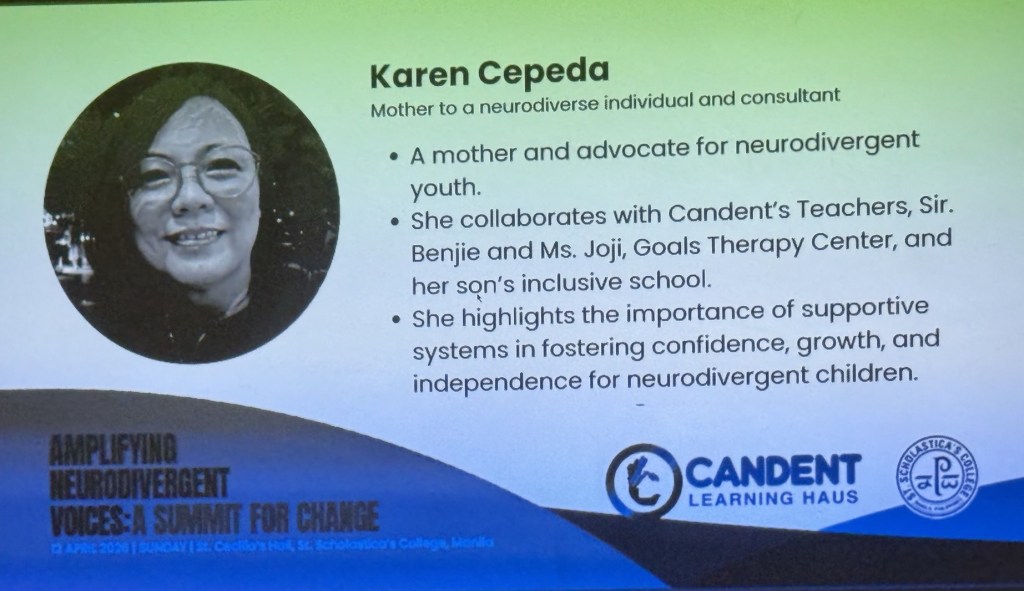
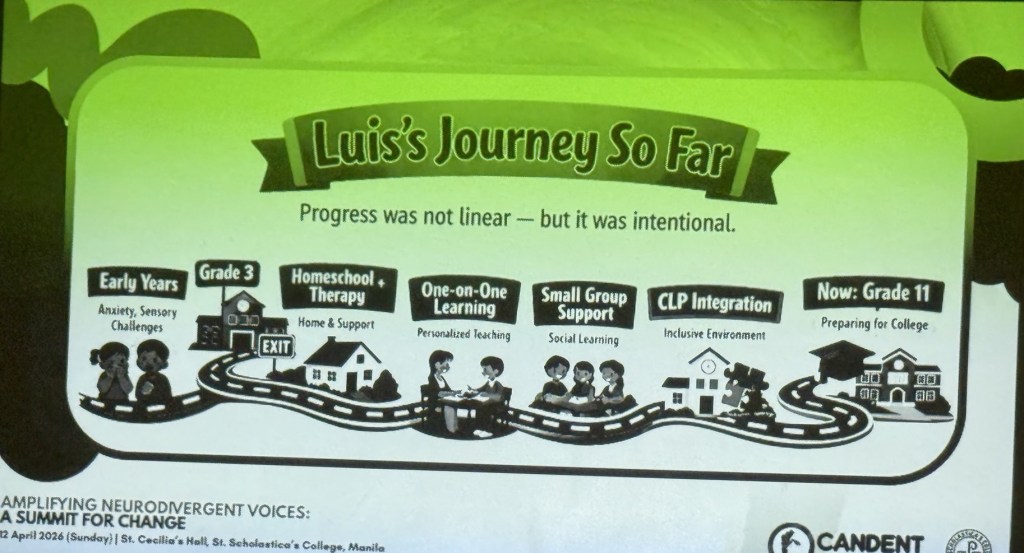
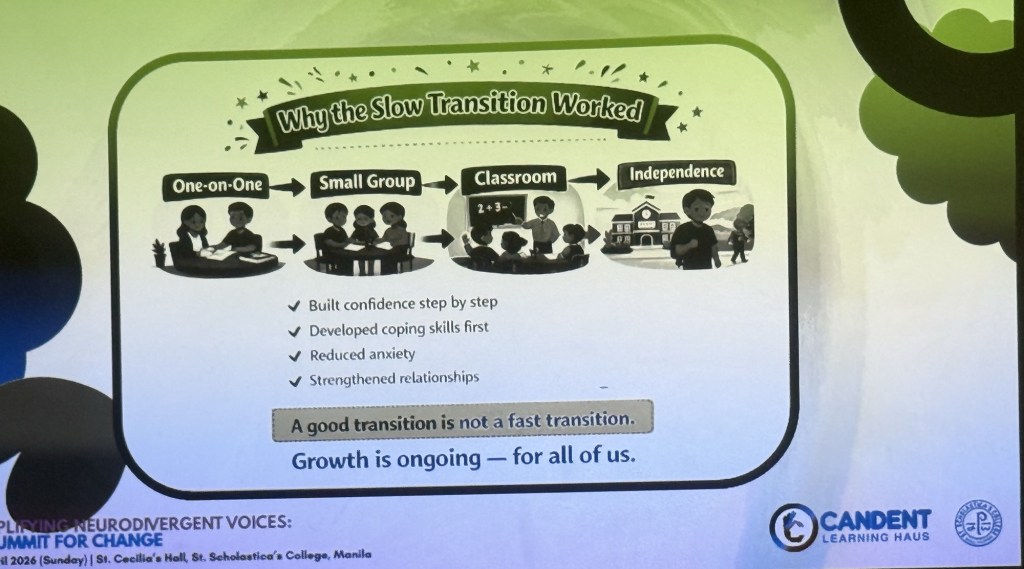
Mommy Karen shared the journey of her son’s separation anxiety, high standards, homeschooling, joining back to school and entering college.
Being an ausome mom myself, the same sentiment makes me anxious: what can I do to make independence a way of life for my neurodivergent?
They emphasize the importance of a supportive team, including therapists and teachers, and the need for a personalized approach that respects the child’s unique needs and learning style. The parent also acknowledges the ongoing challenges and the need for continued support as their son transitions into adulthood.
Neurodivergent voices of Mia and Miguel, both Asperger’s, initially struggled with insecurity and a desire to be socially accepted. Over time, they learned to embrace their condition, recognizing it as a gift and a source of unique strengths, such as special interests and an analytical mind. The speaker emphasizes the importance of understanding and accepting neurodivergent individuals, highlighting the need for a supportive and inclusive environment.
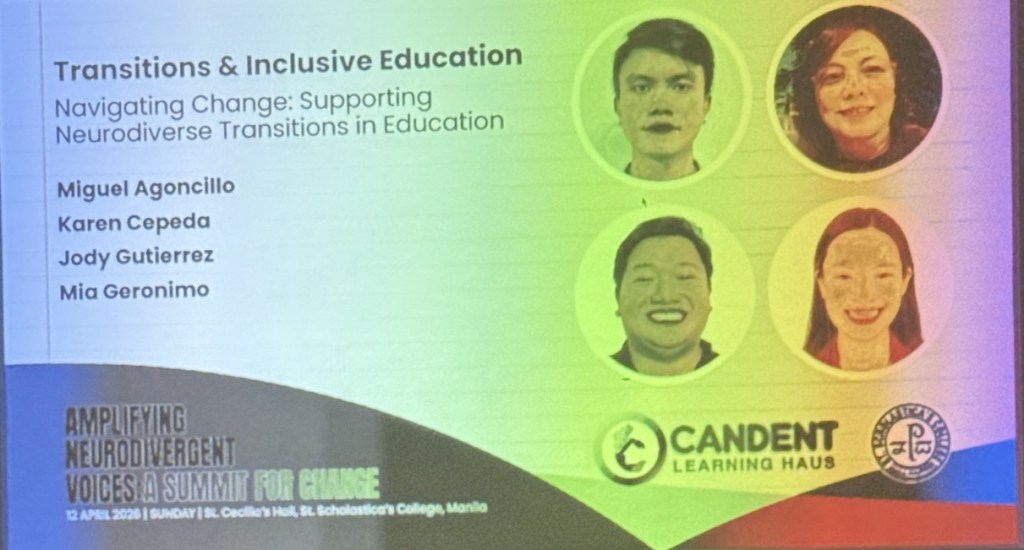
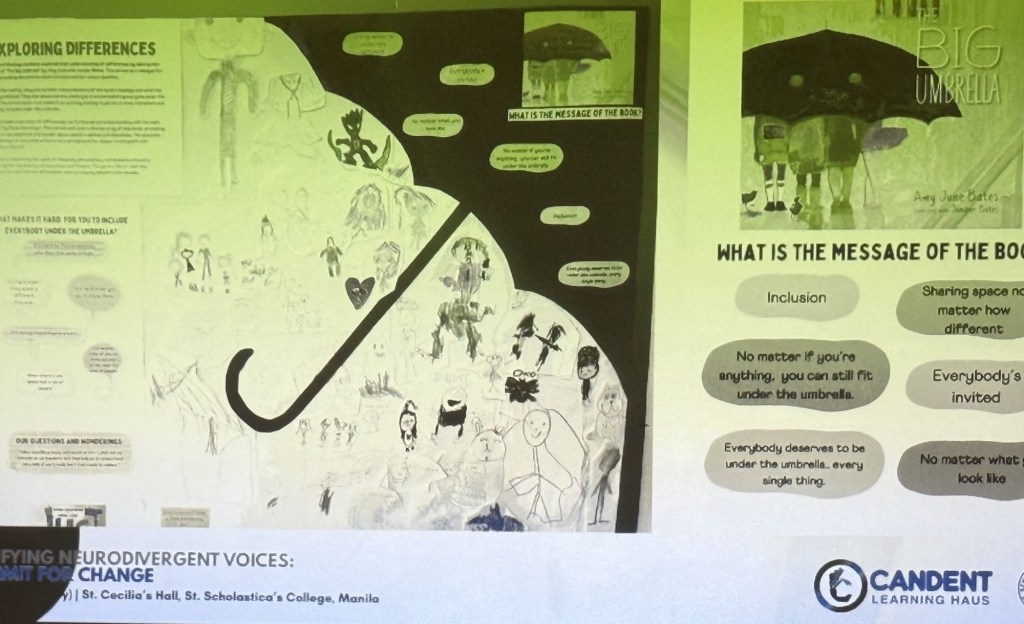
The discussion focused on inclusive education practices, highlighting the importance of accommodating diverse learning needs. A teacher shared experiences of adapting lesson plans to support a student with unique needs, emphasizing the value of family involvement and collaborative strategies. A parent and consultant underscored the significance of supportive systems in fostering confidence and independence for neurodiverse individuals.
 Eiraborates. My Way to DEAR STUFF, Elaborated.
Leave a comment